Rethinking ADHD Treatment: Misdiagnosis and Overmedication
ADHD (Attention-Deficit/Hyperactivity Disorder) has become one of the most commonly diagnosed neurodevelopmental conditions, with stimulant medications often being the primary intervention. However, there is a growing concern that ADHD is being overdiagnosed and overmedicated, particularly without sufficient exploration of underlying causes that may be contributing to difficulties with attention, concentration, and executive functioning. Here we’ll explore concerns and the due diligence needed to ensure accurate diagnosis and ADHD treatment.
The Problem with a Symptom-Based ADHD Treatment and Diagnosis
One of the fundamental issues with ADHD diagnosis is that it is based largely on behavioral symptoms rather than objective biomarkers. This has led to a situation where individuals experiencing attention difficulties—often for reasons unrelated to ADHD—are frequently placed on stimulant medications without a deeper investigation into what might be causing their struggles.
A useful analogy is the mismanagement of stomach pain: rather than conducting a thorough medical work-up, imagine a doctor simply diagnosing a patient with "stomach pain disorder" and prescribing opiate painkillers as a blanket solution. This approach ignores the fact that stomach pain can stem from a multitude of causes, including infections, ulcers, food intolerances, or stress. Similarly, attention issues can arise from various underlying conditions that are often overlooked in ADHD assessments.
The Stimulant Conundrum: Treating Symptoms, Not Causes
Stimulant medications like Adderall (a less potent derivative of methamphetamine) and Ritalin are commonly prescribed for ADHD treatment, but their long-term effects raise concerns—particularly when used without a thorough evaluation of underlying attention difficulties. While these medications can enhance focus in the short term, they do not resolve the root causes of attention struggles and may pose risks such as dependency, cardiovascular issues, and exacerbation of anxiety or mood disorders.
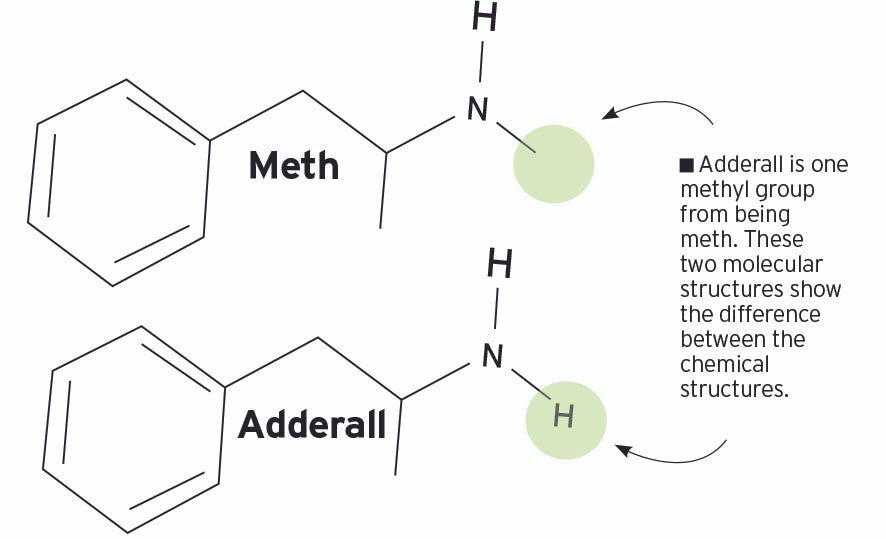
Over reliance on stimulant medications can be harmful in several ways:
- Masking Underlying Issues: Many individuals prescribed stimulants may actually have undiagnosed sleep disorders, mental health conditions, or trauma histories that go unaddressed because the stimulant provides temporary symptom relief.
- Increased Tolerance and Dependency: Long-term use of stimulants can lead to physiological dependence, requiring higher doses over time to achieve the same effects, and withdrawal symptoms when discontinued.
- Negative Side Effects: Stimulants can cause insomnia, appetite suppression, increased heart rate, anxiety, and irritability, which can worsen overall well-being.
- Lack of Long-Term Benefit: Research has found that while stimulants improve short-term focus, they do not necessarily improve long-term academic or career outcomes.

What Else Could Be Mimicking ADHD?
Attention and executive functioning are complex processes influenced by a wide range of biological, psychological, and environmental factors. Many of these factors can produce symptoms that closely resemble ADHD but require different interventions. Some key contributors include:
- Sleep Disorders: Conditions like sleep apnea, restless leg syndrome, and insomnia can severely impact cognitive function and attention span.
- Trauma & Chronic Stress: A history of trauma, neglect, or ongoing high stress can lead to difficulties with focus and self-regulation.
- Mental Health Conditions: Depression, anxiety, bipolar disorder, and PTSD can all present with symptoms of inattention and impulsivity.
- Substance Use: Alcohol, nicotine, and cannabis can interfere with focus and motivation, sometimes masking or exacerbating underlying issues.
- Undiagnosed Vision & Hearing Issues: Conditions such as farsightedness and auditory processing disorder can lead to struggles that mimic ADHD.
- Learning Disabilities: Dyslexia, dyscalculia, and processing disorders can cause attention difficulties in academic and work settings.
- Neurological Conditions: Certain types of epilepsy, particularly absence seizures, can look like the individual is not paying attention.
- Nutritional Deficiencies: Deficiencies in iron, omega-3 fatty acids, and vitamin D have been linked to cognitive and behavioral issues.
- Excessive Screen Time: Individuals, especially children, who engage in excessive screen time, can rewire their brain’s reward system and reduce their attention span.
The Disproportionate Impact on BIPOC and Women
Despite ADHD being one of the most commonly diagnosed neurodevelopmental conditions, there are significant disparities in how it is identified and treated.
- Underdiagnosis in BIPOC and Women: Research has found that Black and Latino children are less likely to be diagnosed with ADHD than their white peers, despite displaying similar symptoms. Women, particularly those with inattentive-type ADHD, are also frequently overlooked because their symptoms are less disruptive and often misattributed to anxiety or mood disorders.
- Overmedication in Certain Populations: While many BIPOC (Black, Indigenous, People of Color) individuals go undiagnosed, those who are diagnosed may be more likely to be prescribed medication without receiving comprehensive evaluations or behavioral therapy interventions. Structural racism in healthcare can lead to a lack of access to alternative treatments and a one-size-fits-all approach to managing attention difficulties.
- Lack of Research Including Diverse Populations: Most ADHD research has been conducted on predominantly white male participants, leading to biases in how symptoms are defined and treated in different demographic groups.
The Influence of Big Pharma on ADHD Treatment
Despite alternative explanations for attention difficulties, the ADHD industry remains heavily influenced by pharmaceutical industry interests. One study showed that 80% of the DSM-5-TR "neurodevelopmental disorders" panel members (the group responsible for defining ADHD diagnostic criteria) received financial compensation from pharmaceutical companies; this was a significant increase in financial compensation from the previous edition of the DSM a decade earlier, in which 33% of the same panel members received financial compensation. This increase in financial compensation correlated with a significant broadening of the ADHD diagnostic criteria, leading to many more people receiving the diagnosis.
This raises ethical concerns about potential conflicts of interest in how ADHD is diagnosed and treated (in fact, the name “Adderall” was created by a pharmaceutical executive to convey its purpose: “ADD for All”). A CDC-funded study found that many children taking ADHD medication may not meet the criteria for an ADHD diagnosis. In the study, only 39.5% of medicated children in the South Carolina participant group and 28.3% in the Oklahoma group met the official case definition for ADHD.
A study from Boston Medical Center’s Grayken Center for Addiction found that one in 18 U.S. physicians receive pharmaceutical marketing payments related to stimulant medications. The study raises concerns about how even subtle, low-cost marketing tactics may contribute to increased stimulant prescriptions and potential misuse.

Moving Toward a Comprehensive ADHD Treatment Approach
Rather than relying solely on stimulant medications, a more comprehensive approach to attention difficulties includes:
- Thorough Medical and Psychological Evaluations: Identifying and addressing sleep disorders, mental health conditions, and other underlying issues. Gathering a comprehensive understanding of the individual’s social, familial, environmental, and trauma history.
- Lifestyle Adjustments: Improving sleep hygiene, reducing screen time, increasing protein intake, and incorporating exercise. Structuring how you work to optimize the periods of the day when you're better able to focus on tasks.
- Non-Pharmaceutical Interventions: Behavioral therapy, executive functioning coaching, mindfulness, and neurofeedback.
- Supportive Environments: Addressing environmental stressors. Providers working to dismantle oppressive systems that cause stress and harm. Helping patients obtain better school and workplace accommodations, and build support systems.
While ADHD is a legitimate condition for some individuals, the widespread diagnosis and pharmaceutical treatment of attention difficulties often occur without adequate investigation of other potential causes and wider context. The overreliance on stimulant medications to manage symptoms rather than addressing root issues can lead to harm, particularly for marginalized groups who may face additional barriers to comprehensive care. By shifting the focus from symptom management to thorough assessment and holistic intervention, we can better support those struggling with attention-related challenges and ADHD in a way that is personalized, ethical, and sustainable.
Comprehensive ADHD Treatment in Seattle
Dr. David Zacharias is a board-certified psychiatrist specializing in ADHD treatment. With over 20 years of experience, he takes a comprehensive approach to diagnosing and treating ADHD and does not prescribe stimulant medications due to the health risks they pose for individuals (though does offer non-stimulant ADHD medication options). Dr. Zacharias carefully evaluates each individual to identify underlying factors contributing to attention difficulties, ensuring that treatment is personalized, evidence-based, and holistic. His practice, Existential Psychiatry, offers diagnostic assessment, medication management, and therapy so that all your mental health needs are taken care of in one place.
If you’re interested in compassionate ADHD treatment, please schedule a free consultation with Dr. Zacharias today.
Written by Existential Psychiatry Staff
Sources
- Hadland S.E., et al. “Analysis of Pharmaceutical Industry Marketing of Stimulants, 2014 Through 2018.” JAMA Pediatrics, 2020. Accessed February 11, 2025.