Shared Parenting and Child Development: What Modern Research Says About Attachment Theory
Written by David G. Zacharias, MD, MPH & Existential Psychiatry Staff
Medically reviewed by David G. Zacharias, MD, MPH • Clinical Faculty, University of Washington
For decades, parenting research and cultural messaging followed the dominant idea about parenting: that children need a single primary attachment figure, usually the mother, to develop in a healthy way.
That idea shaped everything from custody decisions to societal expectations about caregiving roles. However, modern research tells a more nuanced and accurate story.
Children are not limited to forming one central attachment. Instead, they develop networks of attachment relationships that work together to shape how they grow and develop. It's less about who is the "primary" caregiver and more about whether the child feels safe, supported, and known across the relationships in their life.
This shift has real implications, especially for families navigating child protective services, separation, divorce, or shared parenting arrangements.
Where the Primary Attachment Figure Idea Came From
Early attachment theory, developed by John Bowlby in the mid-20th century, emphasized the importance of a strong emotional bond between a child and a caregiver (Ali et al., 2021). At the time, this was a critical advancement that challenged harmful norms that minimized children's emotional needs.
However, over time, this work was simplified into something more rigid: the belief that children need one central caregiver above all others.
Even within attachment theory, this was never entirely accurate. Bowlby acknowledged that children can form meaningful bonds with multiple caregivers. However, research and policy often narrowed this idea into a hierarchy of one primary parent and others as secondary.
What Modern Research Says About Shared Parenting
Recent research emphasizes that children form distinct attachment relationships with each caregiver, and these relationships work together to shape development.
A large meta-analysis published in 2022 (Dagan et al., 2022) found that:
- Children develop separate attachments to each parent
- These attachments jointly influence emotional and behavioral outcomes
- Secure attachment to both caregivers is associated with the best outcomes
- Insecurity across multiple relationships increases risk for distress
Development is not organized around a single attachment figure, but is shaped by a relational system. This reflects a broader shift in psychology toward understanding development as relational, contextual, and dynamic, instead of fixed around one central bond.
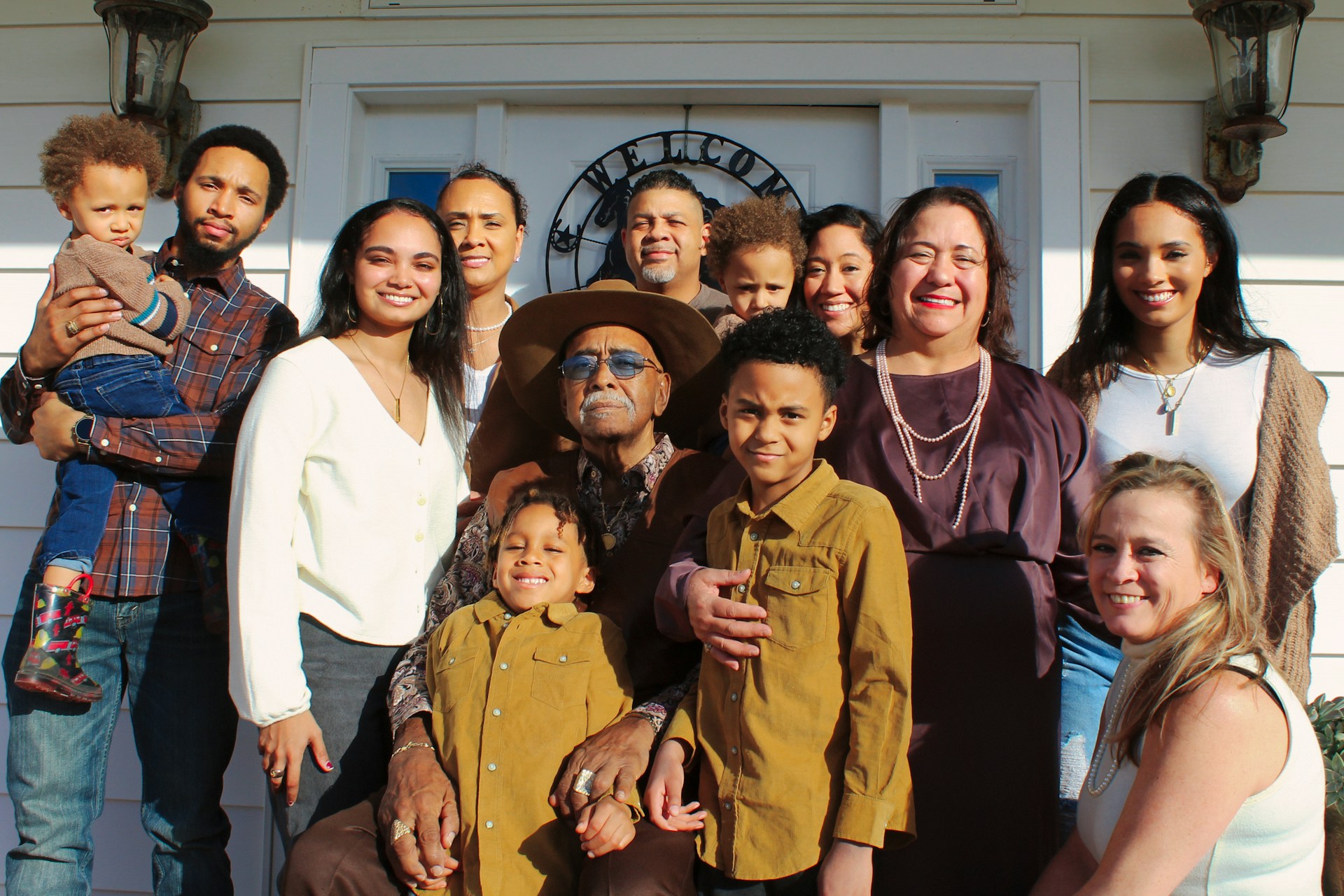
Children Benefit from Multiple Secure Attachments
Children are capable of forming multiple secure attachments, which is a strength and protective factor.
Different caregivers often provide different forms of support:
- One may offer emotional comfort
- Another may encourage exploration and independence
- Another may bring playfulness or structure
These differences do not confuse children. They expand their relational world.
What matters most is not exclusivity, but:
- Emotional responsiveness
- Consistency
- Availability during moments of distress
A child does not need one perfect caregiver. They need reliable, attuned relationships.
What This Means for Shared Parenting After Separation
For families navigating separation or divorce, this research challenges older assumptions.
Historically, custody arrangements often centered on identifying a "primary" parent. However, children benefit from maintaining meaningful relationships with both caregivers when those relationships are safe and supportive.
Shared parenting arrangements, where children spend substantial time with each parent, have been associated with:
- Better emotional adjustment
- Stronger parent-child relationships
- Greater overall well-being
How Colonialism and Racism Shaped Attachment Theory
As attachment research evolves, it's important to acknowledge that earlier models were not culturally neutral.
Much of the foundational research in attachment theory was conducted within Western, white, middle-class populations. These norms were then generalized as universal standards of "healthy" parenting. However, across many cultures, caregiving has never centered on a single primary figure.
In many Indigenous and collectivist cultures, children are raised within networks of care. Extended family, community members, and older siblings all play a role. Caregiving is shared, not concentrated in one person.
When Western attachment models are applied universally, particularly in systems such as child welfare or family courts, they can dismiss or pathologize existing cultural knowledge about caregiving. This has contributed to harmful interventions, including the separation of children from families whose caregiving structures didn't match Western norms.
For example, attachment theory was used to justify interventions that disrupted Indigenous families and communities under the guise of protecting children in both the United States and Canada (Choate & Tortorelli, 2022).
Why This Shift Matters Now
The move toward recognizing multiple attachment relationships is both a scientific update and a necessary correction.
It acknowledges that:
- Children can thrive with more than one primary relationship
- Caregiving structures are culturally shaped
- Emotional safety matters more than rigid roles
This can be a relief for parents and co-parents, because you're not in competition with your co-parent for importance.
Your child does not need you to be everything. They need you to be present, emotionally available, and attuned to them.
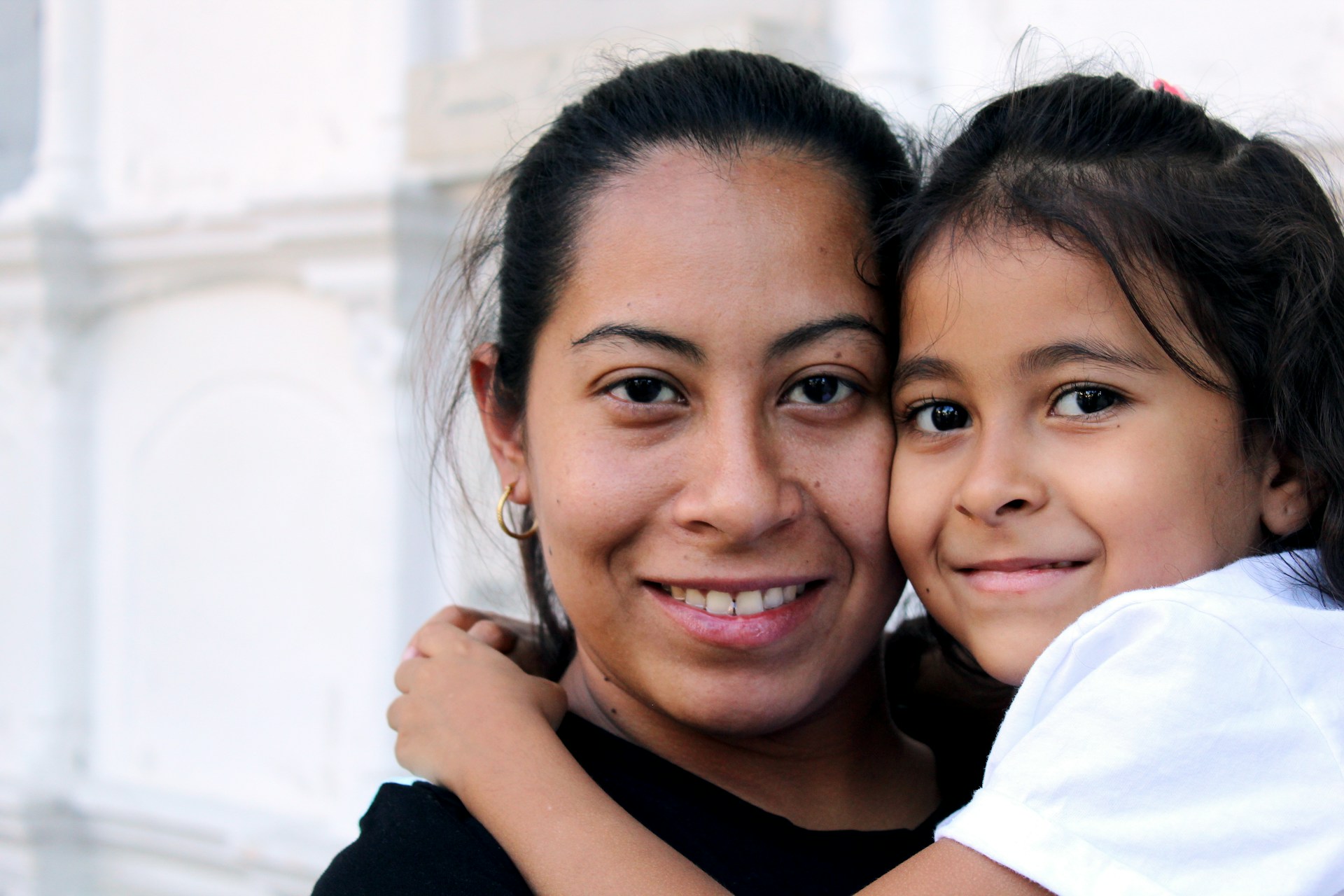
Moving Beyond "Either/Or" Parenting
Older models asked: Who is the primary parent?
Modern research asks: How do these relationships work together to support the child?
This shift reduces pressure and opens up a more realistic understanding of shared parenting.
Children benefit from:
- Multiple safe relationships
- Emotional continuity across environments
- Reduced exposure to conflict
- Care that is responsive to their individual needs
The science of attachment has evolved from emphasizing a single primary caregiver to now recognizing the complexity of children's relational worlds.
Children are shaped by networks of care, not just one bond.
Shared parenting can offer children multiple sources of stability, connection, and support.
Parenting Support in Seattle
If you are navigating parenting decisions, co-parenting challenges, or questions about what is best for your child, you don't have to go through this alone.
At Existential Psychiatry, Dr. David Zacharias offers thoughtful, nuanced support that integrates current research, cultural context, and your lived experience. Whether you're facing separation, identity shifts, or trying to stay grounded as a parent, you'll find compassionate support here. To learn more or to begin therapy, reach out for a free consultation.
Written by Existential Psychiatry Staff
References
- Ali, E., Letourneau, N., & Benzies, K. (2021). Parent-Child attachment: A principle-based concept analysis. SAGE Open Nursing, 7(1). https://doi.org/10.1177/23779608211009000
- Choate, P., & Tortorelli, C. (2022). Attachment Theory: A Barrier for Indigenous Children Involved with Child Protection. International Journal of Environmental Research and Public Health, 19(14). https://doi.org/10.3390/ijerph19148754
- Dagan, O., Schuengel, C., Verhage, M. L., IJzendoorn, M. H., Sagi-Schwartz, A., Madigan, S., Duschinsky, R., Roisman, G. I., Bernard, K., Bakermans-Kranenburg, M., Bureau, J., Volling, B. L., Wong, M. S., Colonnesi, C., Brown, G. L., Eiden, R. D., Fearon, R. M. P., Oosterman, M., Aviezer, O., & Cummings, E. M. (2022). Configurations of mother-child and father-child attachment as predictors of internalizing and externalizing behavioral problems: An individual participant data (IPD) meta-analysis. New Directions for Child and Adolescent Development, 2021(180), 67–94. https://doi.org/10.1002/cad.20450

David G. Zacharias, MD, MPH
Board-Certified Psychiatrist • Clinical Faculty, University of Washington
Dr. Zacharias is a board-certified psychiatrist with over 20 years of healthcare experience. He trained at Mayo Clinic (MD), Harvard (MPH), and the University of Washington (psychiatry residency, chief resident). His practice, Existential Psychiatry, specializes in existential psychotherapy, medication management, and trauma-informed care.
Learn more about Dr. ZachariasMedical Disclaimer: This content is for informational purposes only and does not constitute medical advice, diagnosis, or treatment. Always consult a qualified healthcare provider for personalized medical guidance. If you are in crisis, call 911 or the 988 Suicide & Crisis Lifeline.