Neurodivergent Masking: Survival, Safety, and Strain
Many neurodivergent individuals spend years being told they’re “too much” or “not enough,” or being excluded. Over time, they learn to adapt whether consciously or unconsciously. They may alter their behaviors to mimic people around them, rehearse conversations, or suppress their natural reactions.
This process is known as neurodivergent masking.
Masking isn’t a personality flaw or a lack of authenticity. It’s a survival strategy shaped by social expectations, power, and safety. While it can help you get through school, work, or relationships, long-term forced masking can negatively impact your well-being.
What Is Neurodivergent Masking?
Neurodivergent masking refers to the conscious or unconscious suppression of neurodivergent traits in order to blend into neurotypical environments. It often involves copying socially expected behaviors or communication styles, hiding differences, altering emotional expression or sensory responses, or pushing through discomfort to meet external standards.
Masking is common among people with:
- Autism
- ADHD
- Learning differences
- Tourette’s
- OCD
- Sensory processing differences
- Other forms of neurodivergence
For many, masking begins early, often before they have language for neurodivergence. Children learn which behaviors are praised and which are punished. Over time, self-monitoring can replace self-expression.
Why Neurodivergent People Mask
Masking doesn’t arise in a vacuum. It develops in response to consequences and stigma.
Neurodivergent people may mask to:
- Avoid bullying, rejection, or punishment
- Stay employed or succeed academically
- Prevent being seen as “difficult” or “unprofessional”
- Reduce the risk of social exclusion
- Protect themselves from discrimination or violence
Research shows that autistic adults, for example, often mask to navigate environments that are not designed for them, such as workplaces and healthcare settings (Hull et al., 2017).

What Does Masking Look Like?
Masking is not always obvious. Someone may appear to be navigating their everyday life with relative ease from the outside while feeling deeply exhausted on the inside.
Common examples include:
- Forcing eye contact despite discomfort
- Mimicking facial expressions or tone of voice
- Rehearsing conversations in advance
- Suppressing physical or vocal stimming or fidgeting
- Over-preparing to compensate for executive function challenges
- Laughing at jokes you don’t understand
- Hiding sensory overwhelm until you’re alone
- Appearing calm while internally overstimulated or overwhelmed
Masking can also play a role in delayed diagnosis and support. Individuals may be told they “can’t be autistic” or “don’t seem to have ADHD” because they don’t display certain traits. When in reality, they have learned to mask those traits over time. For example, a person may force themselves to maintain eye contact because they have been told that’s what they’re supposed to do, but doing so is exhausting for them.
How Masking Shows Up Across Neurodivergence
Autism
In autistic adults, masking may involve camouflaging social differences, suppressing sensory needs, and closely monitoring behavior. Studies have linked high levels of masking to increased anxiety, depression, and suicidality (Cassidy et al., 2020).
ADHD
For people with ADHD, masking often looks like overcompensating, such as working longer hours, hyper-organizing, people-pleasing, or hiding struggles with time, memory, or emotional regulation.
Other Neurodivergence
People with learning differences, tic disorders, or sensory processing differences may mask by avoiding visibility altogether. This can look like staying quiet, shrinking needs, or disengaging socially to reduce scrutiny. Masking looks different for each individual and can change over time.
The Emotional and Physical Cost of Masking
Masking may help someone survive. However, chronic forced masking often harms a person’s well-being and can lead to:
- Burnout
- Anxiety and depression
- Identity confusion
- Dissociation
- Chronic stress
- Increased physical health complaints
Many neurodivergent adults report feeling disconnected from their own needs, unsure who they are without the mask, or deeply exhausted by constant self-monitoring. This is not because neurodivergence is inherently distressing, but because constant adaptation without support is.

What Is Unmasking?
Unmasking refers to the process of reducing or loosening masking behaviors and allowing oneself to exist more authentically, which may involve:
- Allowing natural movement or stimming
- Setting boundaries around sensory needs
- Communicating needs more directly
- Asking for accommodations
- Letting go of constant self-correction
This is not an all-or-nothing process. It often happens gradually, context by context, and can bring both relief and grief. For some, unmasking brings a sense of self-recognition for the first time. For others, it surfaces anger, sadness, or fear about how much they had to hide to survive.
Why “Just Unmask” Isn’t Always Safe or Possible
While unmasking is often framed as liberatory, it’s not equally accessible to everyone.
For many people, masking is tied directly to safety, especially:
- People of Color
- Trans and gender-diverse individuals
- Individuals with disabilities
- Those in certain work or legal situations
Unmasking in hostile environments can increase the risk of discrimination, job loss, medical dismissal, or violence. Suggesting that someone should simply unmask without accounting for context places blame on the person and can put them at greater risk for harm.
Moving Toward Compassionate Awareness
The goal isn’t to eliminate masking entirely. It’s to understand why it exists and to create environments where it’s less necessary.
This might mean:
- Learning to tune into your body and recognize signals of discomfort and exhaustion
- Differentiating burnout from fatigue or the idea of laziness
- Building spaces where difference is accommodated
- Supporting the choice of when to mask, when not to, and why
In therapy, this might involve gently exploring questions like:
- What behaviors do you do or avoid because you are “supposed to”
- How does masking protect you?
- How does masking impact you?
- Where might it be safe to soften it, even a little?
Neurodivergent masking is not a personal flaw. It’s a response to systems that reward conformity and punish difference, and for many, masking is a survival strategy. Healing doesn’t require tearing the mask completely away.
Seattle Neurodivergent-Affirming Therapy | Existential Psychiatry
At Existential Psychiatry, you’ll receive neurodivergent affirming therapy, diagnostic assessment, and medication management. Dr. David Zacharias offers collaborative, compassionate care that honors the complexity of the neurodivergent experience. If you’re interested in services or have questions, reach out to schedule a consultation with Dr. Zacharias.
Written by Existential Psychiatry Staff
References
- Cassidy, S., Bradley, L., Shaw, R., & Baron-Cohen, S. (2018). Risk Markers for Suicidality in Autistic Adults. Molecular Autism, 9(1), 1–14. https://doi.org/10.1186/s13229-018-0226-4
- Hull, L., Petrides, K. V., Allison, C., Smith, P., Baron-Cohen, S., Lai, M.-C., & Mandy, W. (2017). “Putting on My Best Normal”: Social Camouflaging in Adults with Autism Spectrum Conditions. Journal of Autism and Developmental Disorders, 47(8), 2519–2534. https://doi.org/10.1007/s10803-017-3166-5
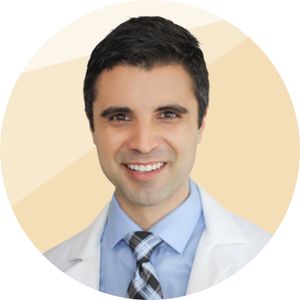
David G. Zacharias, MD, MPH
Board-Certified Psychiatrist • Clinical Faculty, University of Washington
Dr. Zacharias is a board-certified psychiatrist with over 20 years of healthcare experience. He trained at Mayo Clinic (MD), Harvard (MPH), and the University of Washington (psychiatry residency, chief resident). His practice, Existential Psychiatry, specializes in existential psychotherapy, medication management, and trauma-informed care.
Learn more about Dr. ZachariasMedical Disclaimer: This content is for informational purposes only and does not constitute medical advice, diagnosis, or treatment. Always consult a qualified healthcare provider for personalized medical guidance. If you are in crisis, call 911 or the 988 Suicide & Crisis Lifeline.