How to Raise Children in an Individualistic Society
Written by David G. Zacharias, MD, MPH & Existential Psychiatry Staff
Medically reviewed by David G. Zacharias, MD, MPH • Clinical Faculty, University of Washington
Most parents in the U.S. agree with the well-known African proverb: It takes a village to raise a child, but are still left figuring out how to raise children on their own. Parenting here is often structured around independence, privacy, and the expectation that a parent(s) should be able to manage everything on their own. However, this goes against what we know about human development.
In a previous article on shared parenting and attachment theory, we examined how children form networks of meaningful relationships, rather than one central bond with a primary caregiver. That naturally leads to bigger questions: If kids are wired for connection with multiple people, why are so many families left to do this alone? How can we raise children within a community, even in an individualistic society?
Where Did Our Community Go?
Parenting in the U.S. has become increasingly isolated due to:
- Urban planning and suburbanization: Neighborhoods were designed around cars, not people, so there are fewer shared spaces, which means fewer spontaneous interactions between community members.
- Work culture: Longer hours, less job stability, and fewer family protections mean parents have less time and energy to invest in relationships outside their household.
- Housing policies (e.g., redlining and segregation): These have limited where families could live and weakened neighborhood-based support systems (Rothstein, 2017).
- Mass incarceration: This has disproportionately removed parents and caregivers from Black and Brown families and communities, disrupting stability across generations (Alexander, 2010).
- Child welfare systems have historically intervened more frequently in families of color, often separating children from parents and extended kin networks (Roberts, 2002).
- Underfunded public institutions: Schools, libraries, and community centers — historically places where relationships formed — have lost funding, limiting their ability to serve as community hubs.
- Individualism as a value system: There's a strong cultural narrative that independence and self-sufficiency equal success. Many parents feel like asking for help means they're failing or that they should be able to handle things on their own.
One study found that when parents experience higher stress and less social support, children are more likely to experience emotional and behavioral difficulties because the parent-child relationship becomes strained under that pressure (Rodriguez et al., 2025).
What "Community Parenting" Means
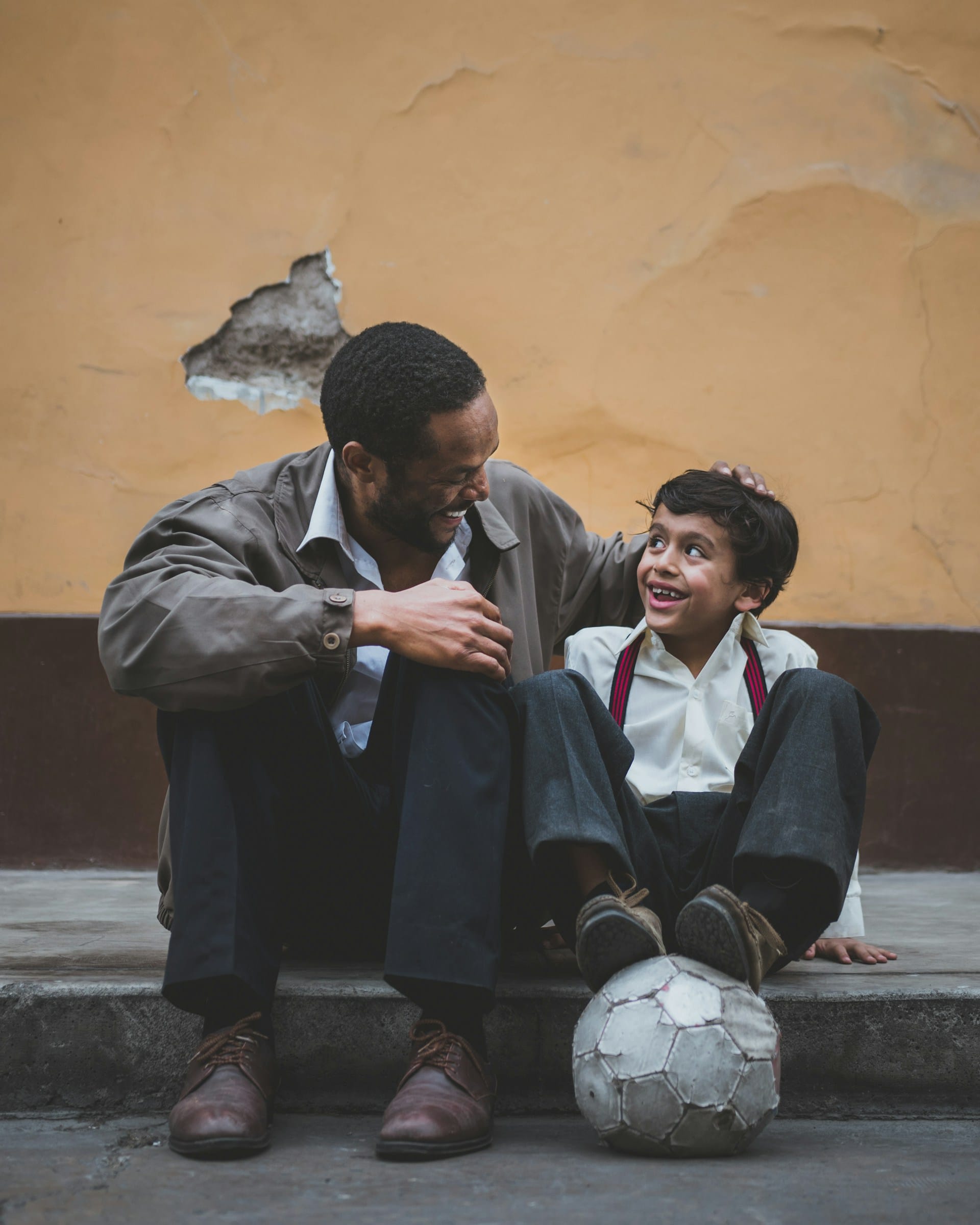
Raising children in community doesn't have to mean communal living or giving up autonomy.
It means expanding the number of safe, consistent adults in your child's life. The Kids Help Phone describes a safe adult as someone who is:
- Thoughtful: They actively listen to your child and believe them when they share.
- Trustworthy: They are dependable, show up for your child, and always respect your child's boundaries.
- Respectful: They are mindful and considerate of your child's feelings.
- Helpful: They can provide guidance and help find solutions to problems.
- Caring: The person does what's best for your child and cares about their mental and emotional well-being and physical safety.
Involving other safe adults might look like:
- A grandparent or aunt who picks your child up from school once a week
- A neighbor your child knows by name and trusts, and who looks out for them in the neighborhood
- A close friend of yours who shows up regularly for your family or comes to events that are important to your child (e.g., recital, school assembly, basketball game)
- A coach, teacher, or mentor who encourages them
- Meeting up with another family from your street or school for low-pressure hangouts at the park, library, someone's backyard, or a community event
When families have access to reliable social support, children tend to do better emotionally and developmentally, and parents experience less stress and burnout.
The mechanism is pretty straightforward: when parents aren't stretched to their limit, they're more present, patient, and emotionally available.
How to Raise Children Within Community
You don't need to recreate a perfect version of a village. Instead, focus on being intentional in how you build it.
1. Start With Who's Already There
You may have more potential support than you think. Look at your current relationships with friends, neighbors, family, and other parents. Who feels safe and trustworthy? Who shows up for you and your child? You don't need a large group. You need a few reliable people.
2. Create Repetition
Community isn't built through occasional effort; it comes from regular interaction.
Think:
- Weekly dinners
- Consistent playdates
- Shared childcare routines
- Seeing the same people in the same places
- Inviting people to your child's events at school or in extracurricular activities
These give your children opportunities to get to know the people around them.
3. Make It Reciprocal
Community works when it goes both ways, so if you want a village, you have to be a villager. Offer help where you can, and be someone other people can rely on. That mutual exchange builds trust, and models for your child that relationships involve giving and receiving.
4. Bring Your Kids Into Your Life
Instead of trying to build a separate "kid community," include your child in your existing relationships.
Let them see:
- You talking with friends
- Helping neighbors
- Being part of something bigger than your household
They learn what connection looks like by watching you live it.
5. Get Out of Your Comfort Zone
When possible, try putting yourself out there.
- Attend events or parent meetings at your child's school
- Get to know the parents in your neighborhood or your child's class
- Attend events at the local community center or library
- Join an organization that's involved in a cause you care about
- Invite neighbors with kids to meet up at the park or hang out in your backyard while your kids play
What Community Does for Kids
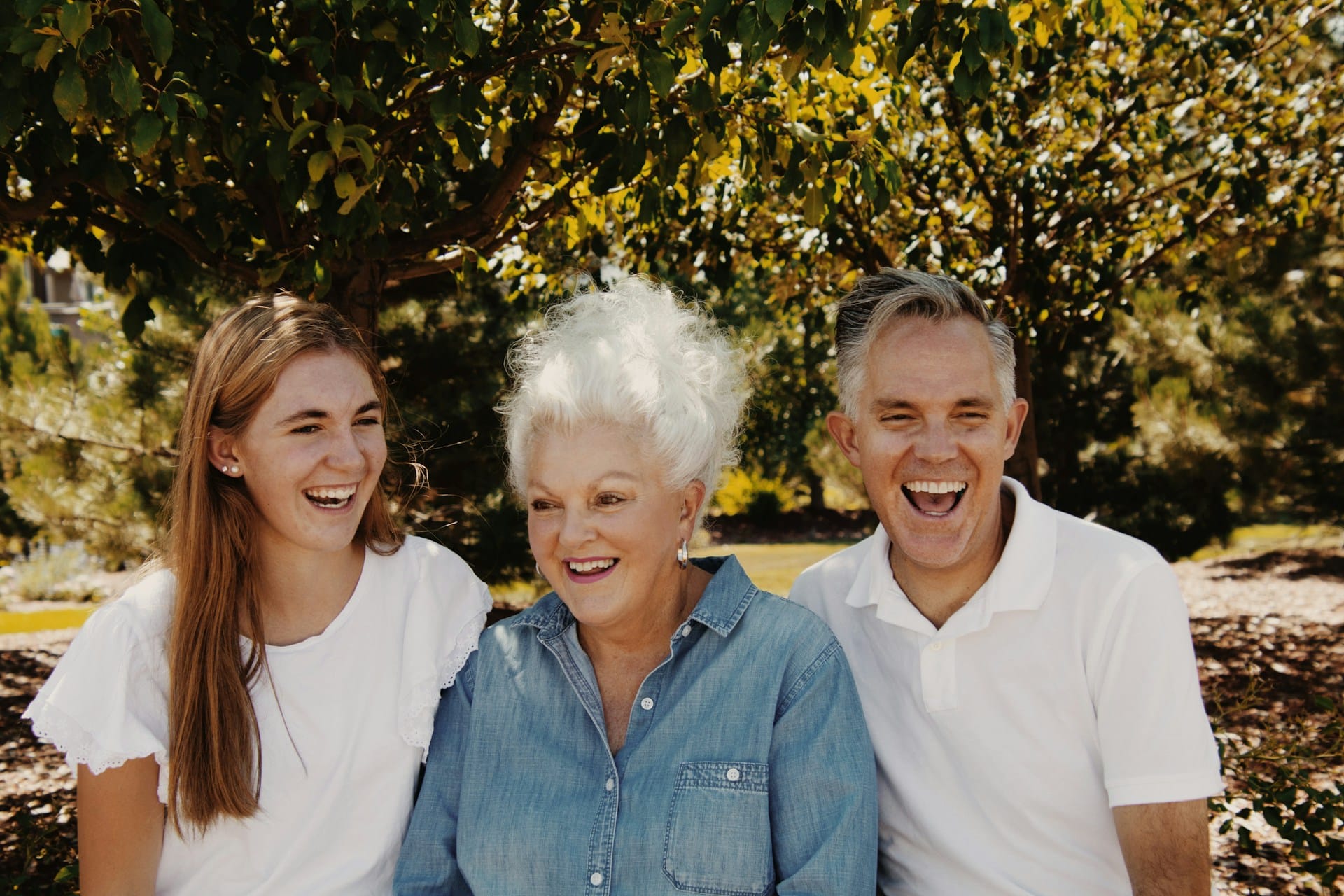
When kids grow up with multiple trusted adults, you often see:
- More emotional regulation: They have more than one person to turn to when they're upset, which reduces pressure on any single relationship.
- Stronger sense of identity: Different adults reflect different parts of who they are back to them.
- Better social skills: They learn how to relate to different personalities and interact with others, not just their parents.
- More resilience: If one relationship is strained, they're not left without support.
- A deeper sense of belonging: They know they matter to more than just one or two people, and are part of something bigger than themselves.
One of the most protective factors for children facing adversity is the presence of even one additional supportive adult. Community increases the likelihood of that many times over.
Parenting was never meant to happen in isolation.
Children don't need a perfect parent doing everything alone. They need a network of relationships with adults who are steady, safe, responsive, and who help care for them.
Connect With Seattle Parenting Support | Existential Psychiatry
If you're feeling the weight of parenting without enough support, or trying to figure out how to build something more sustainable for yourself and your family, you don't have to navigate it alone.
Dr. David Zacharias, with Existential Psychiatry, offers intentional, compassionate support for parents navigating the realities of modern parenting, including co-parenting, burnout, mental health concerns, and questions about how to raise children. If you're interested in therapy in Seattle or online in Washington State, please schedule a free consultation to begin.
Written by Existential Psychiatry Staff
References
- Alexander, M. (2010). The new Jim Crow: Mass incarceration in the age of colorblindness. The New Press.
- Ali, E., Letourneau, N., & Benzies, K. (2021). Parent–child attachment: A principle-based concept analysis. SAGE Open Nursing, 7, 1–15. https://doi.org/10.1177/23779608211009000
- Choate, P., & Tortorelli, C. (2022). Attachment theory: A barrier for Indigenous children involved with child protection. International Journal of Environmental Research and Public Health, 19(14), Article 8754. https://doi.org/10.3390/ijerph19148754
- Dagan, O., Schuengel, C., Verhage, M. L., van IJzendoorn, M. H., Sagi-Schwartz, A., Madigan, S., Duschinsky, R., Roisman, G. I., Bernard, K., Bakermans-Kranenburg, M. J., Bureau, J., Volling, B. L., Wong, M. S., Colonnesi, C., Brown, G. L., Eiden, R. D., Fearon, R. M. P., Oosterman, M., Aviezer, O., & Cummings, E. M. (2022). Configurations of mother–child and father–child attachment as predictors of internalizing and externalizing behavioral problems: An individual participant data meta-analysis. New Directions for Child and Adolescent Development, 2021(180), 67–94. https://doi.org/10.1002/cad.20450
- Roberts, D. (2002). Shattered bonds: The color of child welfare. Basic Books.
- Rodriguez, V., Cottrell, J., & Jia, F. (2025). Parental Stress, Parent-Child Relationship, and Child Wellbeing: A National Study of Family Life After COVID-19 Pandemic. Behavioral Sciences, 15(10), 1423. https://doi.org/10.3390/bs15101423
- Rothstein, R. (2017). The color of law: A forgotten history of how our government segregated America. Liveright Publishing.

David G. Zacharias, MD, MPH
Board-Certified Psychiatrist • Clinical Faculty, University of Washington
Dr. Zacharias is a board-certified psychiatrist with over 20 years of healthcare experience. He trained at Mayo Clinic (MD), Harvard (MPH), and the University of Washington (psychiatry residency, chief resident). His practice, Existential Psychiatry, specializes in existential psychotherapy, medication management, and trauma-informed care.
Learn more about Dr. ZachariasMedical Disclaimer: This content is for informational purposes only and does not constitute medical advice, diagnosis, or treatment. Always consult a qualified healthcare provider for personalized medical guidance. If you are in crisis, call 911 or the 988 Suicide & Crisis Lifeline.